DE_MIRAGE
Mirage
Mid control · split attacks
 YOUR COUNTER-STRIKE WORLDGuides. Gear. Game sense.
Good mechanics win the duel. Good map knowledge decides which duel to take. Learn the angles, own the space.
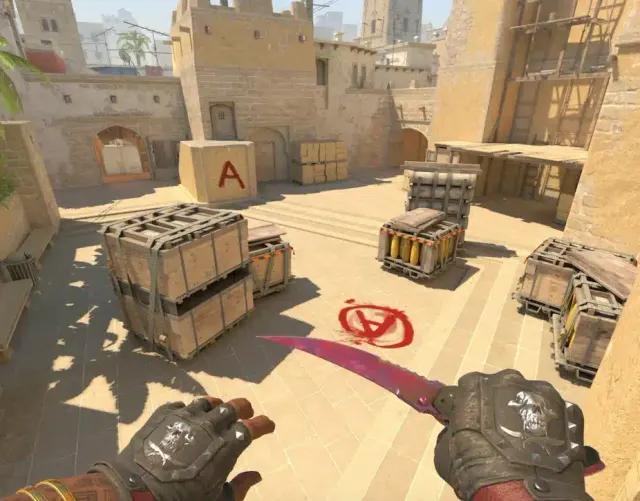
Own mid. Open the map.
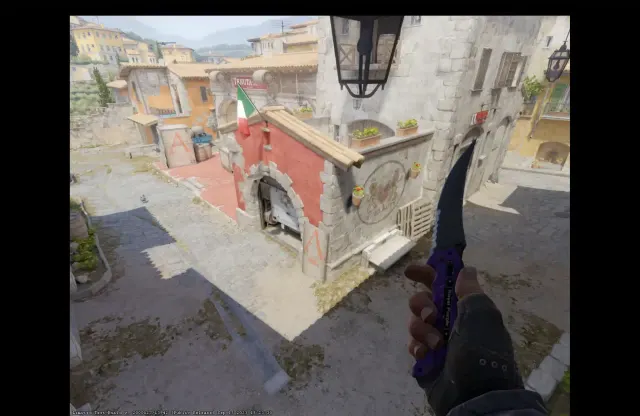
Every inch of Banana matters.
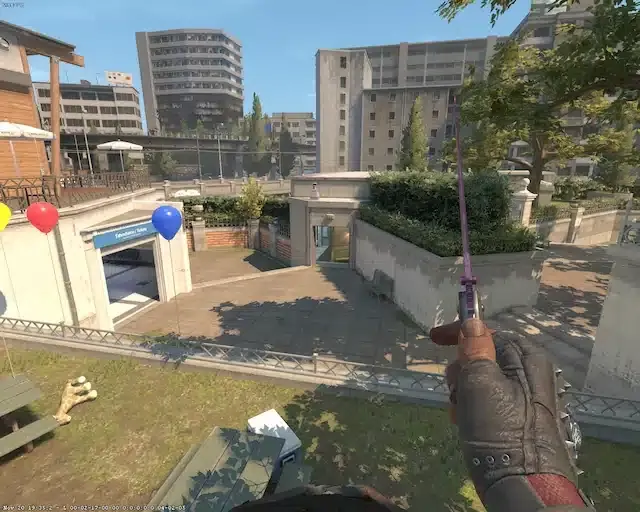
Make the rotation work for you.
Callouts turn a position into information your whole team can use.
Understand sightlines, timing, and where the next threat comes from.
Practice one useful piece of utility, then bring it into your next game.
Dust2 is the most recognizable map in Counter-Strike history and remains one of the most played maps in CS2. Its simple three-lane layout rewards raw aim and fast decision-making. Whether…
Read articleNuke is the most unique competitive map in CS2 thanks to its vertical layout — A site sits directly above B site. This creates fast rotations for CTs and demanding decision-making for…
Read article
Smokes are arguably the most important utility in Counter-Strike 2. A well-placed smoke can block sightlines, create safe passages, and execute bomb site takes. Unlike flashbangs or HE…
Read articleA guide for your next practice session.
Map coverage from the CS2.eu archive.
Mid control · split attacks
Utility · narrow approaches
Map control · rotations
Long sightlines · coordinated entries
Vertical play · precise communication
Callout lists become useful when you connect them to the space around you. Work through a map from the position you actually play, then add the information your teammates need.
Choose the route you take most often. Stop at each corner and name the positions an opponent could hold. Notice when a new angle becomes visible and when you can be seen from more than one place.
On Mirage, connect mid to the routes into each site. On Inferno, focus on the narrow approaches and the room available for teammates to follow. Use the map guides above as a reference while you walk.
For every smoke or flash you practise, explain the problem it solves: blocking one sightline, helping a teammate cross or buying time to reposition. Check both the landing point and the timing from the position you will use.
A lineup from an older article can stop working after a map change. Reproduce it in the current build before making it part of your team’s plan.
Read the utility collectionGood map knowledge helps the person who cannot see your screen. Say where the opponent was, what they were doing and whether that information is still current. On a vertically layered map such as Nuke, include the level or route instead of an ambiguous “here”.
This page organises the maps covered by the CS2.eu archive. It is a learning library, so inclusion here does not indicate membership of the current competitive or tournament pool.
Start with a small set you can explain and reproduce for your usual position. Add another when you know when to use the first ones and how a teammate can follow them.